Understanding Voluntary Servitude: Ettienne de la Boetie
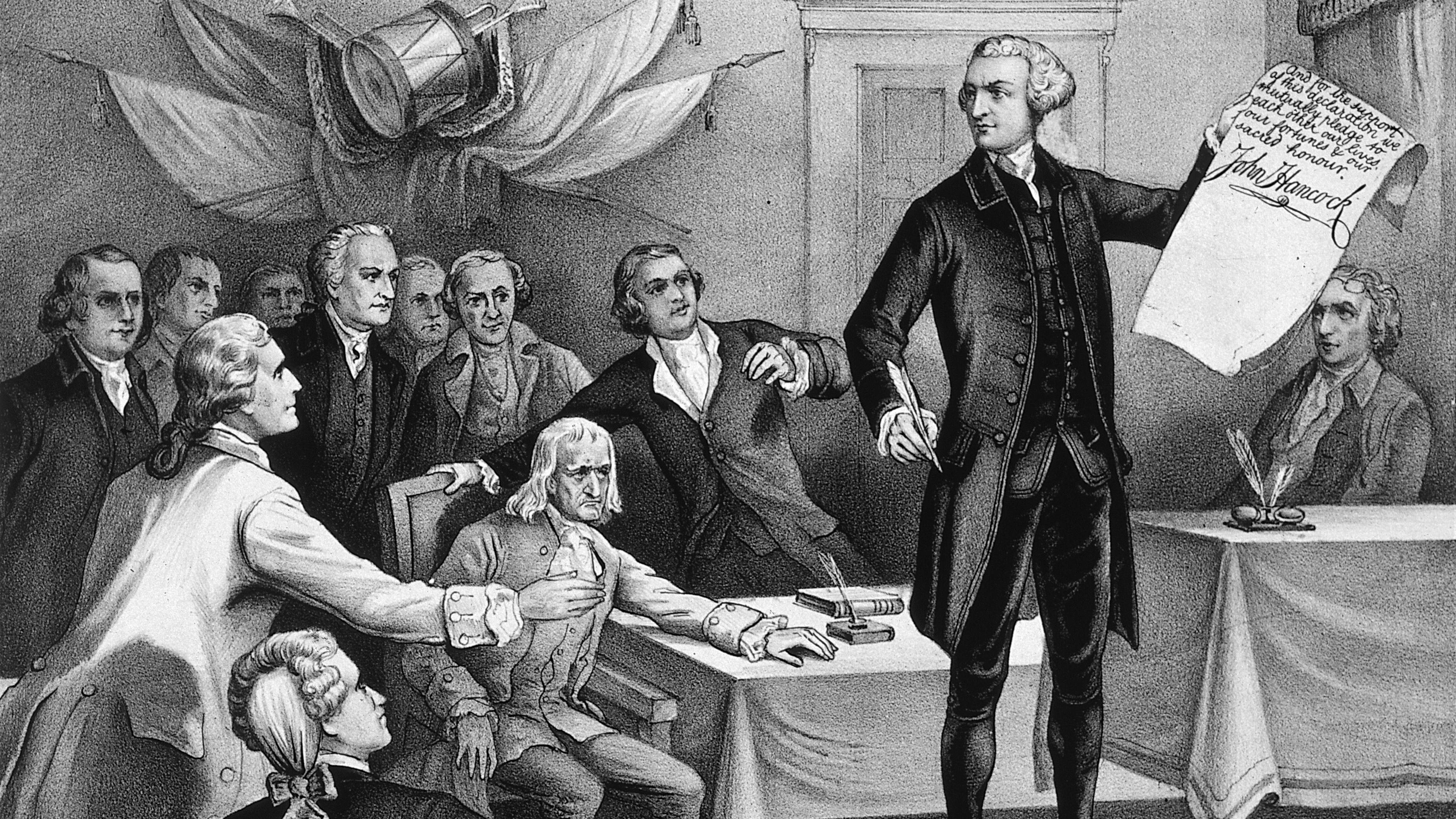
The seeds of freedom were sown long before the physical conquest of land, through the intellectual conquest of minds. One such mind, Ettienne de la Boetie, challenged the status quo with his Discourse of Voluntary Servitude, positing that power is merely an illusion granted by the consent of the governed—a radical notion that set the stage for revolutions to come.
John Locke's Treatise: The Foundation of Individual Rights
Building on de la Boetie's ideas, John Locke furthered the cause of liberty with his work, asserting the natural rights of individuals to life, liberty, and property. His belief that citizens have the right to overthrow a government that fails to protect these rights influenced countless freedom-seekers, including the American founding fathers.
Adam Ferguson & The Spontaneous Order
In the intricate dance of social evolution, Adam Ferguson highlighted that the most robust pillars of free society often emerge without central planning, but through spontaneous collective action—a concept that resonates strongly with advocates of economic freedom and the invisible hand guiding market forces.
The Call to Revolution: Thomas Paine's Impactful Pamphlets

Revolutionary fervor was stoked by the writing of Thomas Paine, from the widely disseminated Common Sense calling for independence to the morally compelling series The Crisis essays, which fanned the flames of rebellion and sustained the spirits of a fledgling army.
Adam Smith's Case for Economic Liberty
Adam Smith made an irrefutable case for economic liberty in The Wealth of Nations, explaining how self-interest can beneficially align with societal needs. His insights laid the groundwork for the capitalist system and informed future debates on market regulation and the role of government in economic affairs.
Federalist Papers & American Constitutional Debate
The Federalist triumvirate of James Madison, Alexander Hamilton, and John Jay articulated a nuanced explanation of governmental powers through the Federalist Papers. Their efforts were vital in securing the U.S. Constitution's adoption and remain a cornerstone of U.S. political thought.
Mary Wollstonecraft & The Rights of Women

The principle of equal liberty was extended to women by Mary Wollstonecraft in her groundbreaking work, Vindication of the Rights of Woman. Advocating for rights encompassing property, contract, and suffrage, her philosophy championed inclusion in the ongoing discourse about freedom.
The Philosophical Quest for Equality and Freedom
The literary and philosophical sphere continued to nurture the idea of equality and individualism, from the existential musings in Victor Hugo's Les Miserables to Herbert Spencer's warnings in The Man Versus The State against overweening governmental power.
Champions of Self-Help and Individualism
The ethos of self-reliance and personal responsibility underpinning the American Dream found eloquent proponents in Samuel Smiles and Booker T. Washington, whose works inspired many to create their own success stories through hard work and integrity.
Ayn Rand & The Modern Philosophy of Individualism
The spirit of individualism reached a crescendo in modern times with Ayn Rand's Anthem and Murray N. Rothbard's critiques of egalitarianism. Their advocacy for personal freedoms echoed the foundational works that questioned and often upended government authority.
Unifying the Threads: Travel, Hospitality & Liberty's Legacy
The principles of liberty not only shaped nations but also subtly influenced the realms of travel and hospitality. As individuals empowered by these intellectual giants explored the world, they sought accommodations that mirrored their values of personal choice and the pursuit of happiness, revolutionizing these industries to cater to a clientele who valued freedom and personal agency above all else.
Washington
- The Graham Hotel
- Grand Hyatt Washington
- Riggs Washington Dc
- Royal Sonesta Washington Dc
- Phoenix Park Hotel
- Viceroy Washington Dc
- Woodley House
- Four Seasons Washington Dc
- Washington Plaza Hotel
- Fairmont Washington Dc
- Hotel Zena
- Omni Shoreham Hotel
- Hyatt Regency Washington On Capitol Hill
- Waldorf Astoria Washington Dc
- Jw Marriott Washington Dc
- The Dupont Circle Hotel
- Hotel Washington
- The Royal Sonesta Washington Dc Capitol Hill
- Capital Hilton
- Holiday Inn Washington Capitol
- Hotel Madera
- Marriott Marquis Washington Dc
- Washington Hilton
- Capital Hilton Washington Dc
- Lyle Washington Dc
- Yotel Washington Dc
- Hay Adams
- Watergate Hotel Washington
- Citizenm Washington Dc
- The Tabard Inn
- Park Hyatt Washington Dc
- District Hotel Washington
- Churchill Hotel Embassy Row
- Comfort Inn Convention Center Downtown
- Holiday Inn Rhode Island Ave Washington Dc
- Madison Washington Hotel
- Beacon Hotel And Corporate Quarters Washington Dc
- Courtyard Washington Dc Foggy Bottom
- Homewood Suites Washington Dc
- Homewood Suites Washington Dc Noma
- Westin Washington Dc City
- Ac Hotel Washington Dc Convention Center
- 999 9Th Street Washington Dc
- Days Inn Washington
- Residence Inn By Marriott Washington Dc Downtown
- Ac Hotel By Marriott Washington Dc Downtown
- Hyatt Place Washington Dc Georgetown West End Washington
- Embassy Suites Hotel Washington Dc 900 10Th Street
- Hotel Capitol Hill Washington
- Aka White House Hotel Washington Dc