The Sumerian Foundation: Trade's Influence on Time and Records

The roots of modern commerce and communication are deeply embedded in the trade-centric civilization of ancient Sumer. It was within the bustling marketplaces that the necessity for tracking goods led to the development of writing and numerical systems. The Sumerians, understanding that efficiency equates to profit, even devised a calendar to align business operations with agricultural cycles—laying the groundwork for time-keeping innovations that remain with us today.
Phoenician Pioneers: Seafaring Merchants and the Alphabet
As dynamic traders of their era, the Phoenicians needed a streamlined written form to record transactions and navigate diverse languages. Their quest for efficiency arguably paved the way for the alphabet, originally complex and syllabic, but ultimately refined into a system of consonants upon which modern scripts are built.
Alphabetic Advent and Global Dissemination
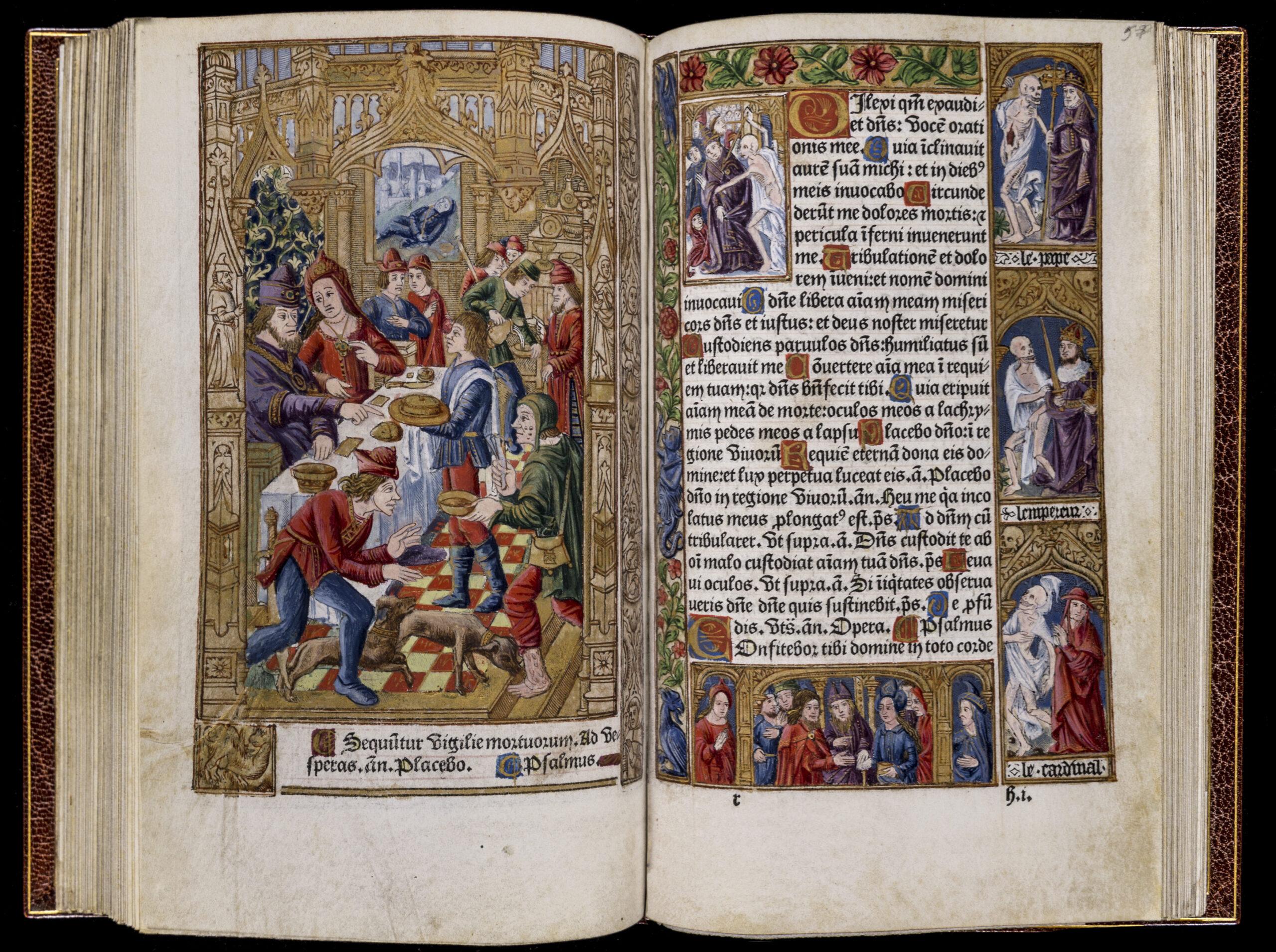
Indications of an early form of our alphabet trace back to Phoenician trade routes. Subsequent cultures, notably the Greeks, expanded upon this by adding vowels, helping to shape the written communications we know today. The proliferative power of trade indeed sowed the seeds of literacy and documentation as we comprehend them.
The Influence of Islamic Commerce on the World
Between the 8th and 12th centuries, Muslim traders not only spread goods but knowledge, shaping civilizational advancements in fields ranging from geography to mathematics. Their contributions laid foundations for vast strides in global exploration and academic disciplines that are indispensable today.
Renaissance of Knowledge Driven by Italian and Dutch Markets

As the nexus of commerce and learning, Italy and the Netherlands flourished in their respective eras, from the growth of commercial mathematics to the birth of modern accounting practices. These markets became catalysts for the spread of expertise, influencing educational norms and the Renaissance itself.
Merchant Knowledge and the Expansion of Global Awareness
Historical accounts by traders such as Marco Polo and Jean-Baptiste Tavernier expanded the collective knowledge of regions as diverse as East Asia and India. Their descriptions introduced Western civilization to foreign customs, materials, and inventions, painting a picture of a connected and diverse world.
British Industrial Know-How and the Stirrings of Innovation
The confluence of secure private property rights and a unified free-trade region propelled Britain into the Industrial Revolution. The commercial boom and entrepreneurial spirit led to innovations in technology and industry, marking Britain as a hotbed of knowledge and advancement.
Sharing Knowledge Through Travel and Hospitality
In the 19th and 20th centuries, travel became accessible to larger segments of society. Individuals like Thomas Cook made tourism feasible, enabling more people to gather and exchange knowledge through firsthand experiences. Hotels and inns, standing at the crossroads of these travels, have continued to evolve as places of cultural exchange, becoming modern-day marketplaces of information, where stories and discoveries from all corners of the globe converge—echoing the age-old connection between commerce, communication, and knowledge growth.
Washington
- The Graham Hotel
- Grand Hyatt Washington
- Riggs Washington Dc
- Royal Sonesta Washington Dc
- Phoenix Park Hotel
- Viceroy Washington Dc
- Woodley House
- Four Seasons Washington Dc
- Washington Plaza Hotel
- Fairmont Washington Dc
- Hotel Zena
- Omni Shoreham Hotel
- Hyatt Regency Washington On Capitol Hill
- Waldorf Astoria Washington Dc
- Jw Marriott Washington Dc
- The Dupont Circle Hotel
- Hotel Washington
- The Royal Sonesta Washington Dc Capitol Hill
- Capital Hilton
- Holiday Inn Washington Capitol
- Hotel Madera
- Marriott Marquis Washington Dc
- Washington Hilton
- Capital Hilton Washington Dc
- Lyle Washington Dc
- Yotel Washington Dc
- Hay Adams
- Watergate Hotel Washington
- Marriott Pulse Washington Dc
- Hilton Washington Dc National Mall The Wharf
- Citizenm Washington Dc
- Tabard Inn
- Selina Union Market
- Park Hyatt Washington Dc
- St Regis Washington Dc
- Eaton Dc
- Harrington Hotel
- Swann House Bed And Breakfast
- The Henley Park Hotel Washington
- Placemakr Dupont Circle
- Loews Madison Washington Dc
- District Hotel Washington
- Fairfield Inn And Suites Washington Dc
- Washington Dc Generator
- Hotel Melrose Washington
- Beacon Hotel & Corporate Quarters
- Windsor Park Hotel Washington
- The River Inn Hotel In Washington Dc
- Westin Washington Dc Downtown Hotel
- Holiday Inn Central Hotel Washington Dc
- Small Hotels Washington Dc